
The water in the skillet starts bubbling around the carrot slices, and for a moment it can look like these Honey Glazed Carrots are headed for a watery finish. They aren’t. The covered simmer softens the carrots first; then the water is drained and butter and honey go into the same skillet for a quick, glossy coating. I like that the whole side dish comes together in one pan, with no separate glaze to watch.
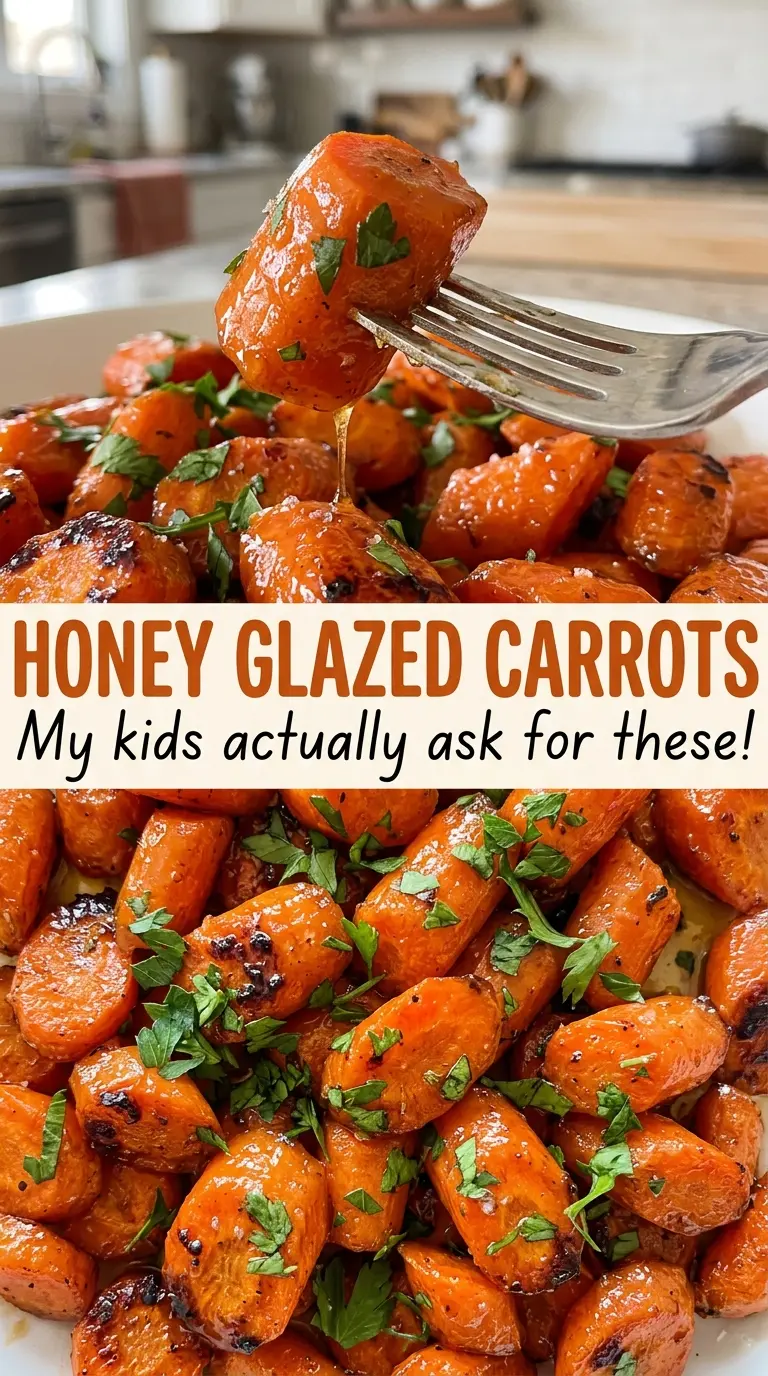
What makes this method work is keeping those jobs separate. The carrots get tender under the lid before the honey ever hits the heat, so the honey only needs a couple of minutes to melt with the butter and cling to the slices. Cut the carrots evenly and check them with a fork near the end of the simmer; you want them tender, not so soft they fall apart when tossed. The finished carrots are buttery, lightly sweet, and shiny without a heavy sauce.

Kitchen Note
Drain off any water left in the skillet before adding the butter and honey. If water stays behind, it thins the coating instead of letting it turn glossy around the carrots.
Save these Honey Glazed Carrots for a simple side with tender slices and a buttery honey shine.
Why the Honey Goes in After the Carrots Are Tender
Honey is there to coat the carrots, not to cook them soft. Simmering the slices covered in water gives them time to become tender without asking a sweet glaze to bubble away alongside them. Once the carrots are ready, the water is drained and the butter and honey need only two to three minutes over medium heat. That short finish keeps the honey’s sweetness clear and gives the carrots a glossy surface.
This two-part approach also gives you a useful checkpoint before the glaze goes in. If the carrots still resist a fork, they’re not ready for the final toss yet; if they’re already very soft, they’ll be more likely to break while you coat them. The cut matters here: slices about 1/2 inch thick cook at a similar pace, so you aren’t left with thin pieces collapsing while thicker ones stay firm. Keep an eye on the fork test rather than relying on the clock alone, since carrots vary in size and thickness.
The result isn’t a thick, sticky candy coating. Think tender carrot slices with a light butter-and-honey gloss. The skillet gives the glaze enough contact with the carrots to coat them evenly as you toss, without turning this simple side into a sugary sauce.
How Carrots, Honey, and Butter Shape the Glaze
- Carrots — Choose firm carrots that feel crisp rather than bendy, and peel them before slicing. Their natural sweetness is the base of the dish, while evenly sized pieces help them cook together. The 1/2-inch slice thickness is useful for more than looks: thick rounds take longer to soften, while very thin ones are easier to overcook during the covered simmer.
- Honey — A standard mild honey works well because it sweetens without overpowering the carrots. A strongly flavored honey will make its own character more noticeable in the finished glaze, so the inexpensive everyday jar is a sensible choice here. Measure it into the skillet with the butter after the carrots have simmered; it doesn’t need to be heated separately.
- Unsalted butter — Butter supplies the rich coating and helps the honey cling to the carrots. Unsalted butter lets the kosher salt remain in control, and there isn’t a need to seek out a specialty brand. Let it melt in the skillet with the honey rather than browning it first; browned butter would change the flavor and add a step that isn’t needed for this quick glaze.
- Kosher salt and black pepper — Salt sharpens the carrots’ sweetness, and black pepper keeps the finish from tasting one-note. Freshly ground pepper gives a more pronounced peppery note, but ordinary ground black pepper works too.
From Covered Simmer to Glossy Skillet Finish
Slice the carrots to cook at the same pace
Peel the carrots and cut them into slices about 1/2 inch thick. Aim for a consistent thickness from piece to piece; uneven slices are the most likely reason some turn tender well before others. Put the carrots and water in a 12-inch skillet. That wide skillet gives the slices room to sit in an even layer as they cook.
Bring the water to a boil, then cover
Set the skillet over medium-high heat and bring the water to a boil. Once it’s boiling, cover the skillet and reduce the heat to medium-low. Simmer for 8 to 12 minutes, checking near the shorter end of the range. The lid holds in steam while the carrots soften, so keep it covered between checks.
Use the fork test before draining
Pierce a slice with a fork to check for tenderness. The fork should go in without the carrot feeling hard in the center, but the slice should still hold its shape. If the carrots need more time, let them continue simmering within the cooking range and check again. Drain any remaining water once the carrots are tender.
Toss until the butter melts and the carrots shine
Add the butter, honey, kosher salt, and black pepper to the skillet. Cook over medium heat for 2 to 3 minutes, tossing the carrots so the melting butter and honey coat the slices. Watch for a glossy finish across the carrots rather than waiting for a thick pool of glaze. Take care not to let the slices sit untouched on the bottom of the skillet; tossing keeps the coating distributed.
Two Simple Ways to Change the Honey Glaze
Make the carrots dairy-free
Replace the unsalted butter with the same amount of dairy-free butter. Choose a plain, unsweetened version so it doesn’t add another flavor or extra sweetness; the glaze will still coat the carrots, though the buttery taste will depend on the brand.
Trade the honey for maple syrup
Use maple syrup in place of the honey for a warmer, woodsy sweetness. Add it to the skillet with the butter just as you would the honey. Maple syrup is thinner, so expect a lighter coating rather than quite the same honeyed gloss.
Storage and Reheating
- Refrigerator: Store leftovers in an airtight container for up to 4 days. The carrots will soften a little as they sit.
- Freezer: Freeze in a freezer-safe container for up to 2 months. The carrots remain safe to eat, but thawed slices will be softer and the glaze may look less smooth.
- Reheating: Warm them gently in a skillet over low heat, tossing until heated through. A small splash of water helps loosen the glaze; high heat can scorch the honey before the carrots warm evenly.
Questions That Come Up When Cooking Honey Glazed Carrots
Honey Glazed Carrots
Ingredients
Equipment
Method
- Put the carrots and water in a 12-inch skillet and bring to a boil over medium-high heat.
- Cover, reduce the heat to medium-low, and simmer for 8 to 12 minutes, until the carrots are tender when pierced with a fork.
- Drain any remaining water.
- Add the butter, honey, salt, and pepper to the skillet and cook over medium heat for 2 to 3 minutes, tossing the carrots, until the butter melts and the carrots are glossy.